FCRA Hard Inquiries for Fintech Underwriting in 2026
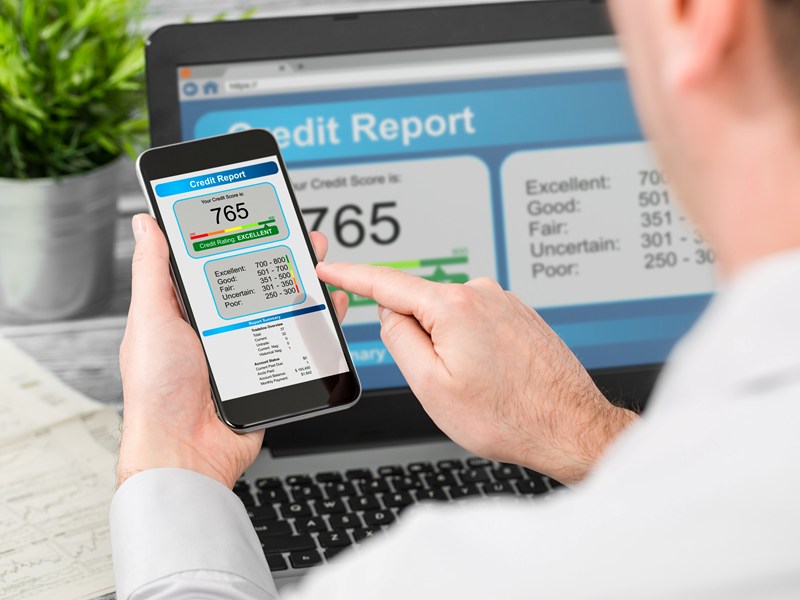
FCRA Hard Inquiries for Fintech Underwriting in 2026: A Step-by-Step Compliance Guide
How Hard Credit Report Services Support Automated Lending Decisions
As fintech lenders continue to automate underwriting and accelerate loan approvals, access to reliable credit bureau data remains a foundational component of responsible lending. While alternative data and AI-driven risk models have become increasingly important, hard credit inquiries continue to play a critical role in credit decisioning, risk assessment, and regulatory compliance.
For nonbank consumer lending organizations, understanding how to properly use hard credit report services is essential. A compliant process requires more than simply requesting a credit report. Lenders must establish permissible purpose, obtain appropriate consent, manage bureau report workflows, and deliver required notices when adverse actions occur.
This guide outlines the key steps fintech and alternative lenders should follow when incorporating hard credit inquiries into automated underwriting workflows in 2026.
What Is a Hard Credit Inquiry?
A hard credit inquiry occurs when a lender requests a consumer's credit report as part of a lending decision.
Unlike soft inquiries, which are often used for prequalification or account reviews, a hard credit inquiry is generally associated with a formal credit application and may impact a consumer's credit score.
Hard inquiries are commonly used to:
-
Evaluate loan applications
-
Verify borrower creditworthiness
-
Support underwriting decisions
-
Assess repayment risk
-
Determine pricing and loan terms
-
Meet investor and funding partner requirements
For fintech lenders, hard inquiries remain one of the most widely accepted methods for obtaining comprehensive credit bureau reports during the underwriting process.
Why Hard Credit Report Services Matter in Automated Underwriting
Modern lending decision automation depends on accurate and timely data.
Hard credit report services help lenders:
-
Access detailed consumer credit histories
-
Evaluate debt obligations
-
Analyze payment behavior
-
Calculate risk metrics
-
Support underwriting models
-
Improve decision consistency
-
Reduce manual review requirements
By integrating credit bureau reports directly into automated underwriting systems, lenders can accelerate approvals while maintaining risk management standards.
Step 1: Establish a Permissible Purpose
Before requesting a hard credit report, lenders must ensure they have a valid permissible purpose under the Fair Credit Reporting Act (FCRA).
In consumer lending, a permissible purpose generally exists when a consumer applies for credit and the lender is evaluating that application.
Best practices include:
-
Clearly documenting the purpose of the inquiry
-
Limiting report access to authorized personnel and systems
-
Maintaining audit trails for compliance reviews
-
Ensuring automated workflows only trigger reports when eligibility requirements are met
Permissible purpose should be validated before any hard inquiry request is transmitted to a credit bureau.
Step 2: Capture Consumer Consent
Although permissible purpose is required, many lenders also obtain explicit consumer authorization as part of the application process.
Effective consent workflows should:
-
Clearly explain that a hard credit inquiry may occur
-
Describe how credit information will be used
-
Provide disclosures in understandable language
-
Capture electronic consent records
-
Store authorization records for future auditing
Many fintech lenders automate consent capture through digital applications, mobile experiences, and embedded lending interfaces.
Strong consent management processes help support both compliance and customer transparency.
Step 3: Integrate Credit Bureau Report Workflows
Once consent and permissible purpose requirements are satisfied, the lending platform can request a hard credit report through an integrated credit reporting service.
Modern API-based workflows often include:
-
Applicant identity verification
-
Credit bureau report requests
-
Automated report retrieval
-
Credit score delivery
-
Tradeline analysis
-
Risk model inputs
-
Decision engine integration
The goal is to make credit bureau data available instantly within the underwriting process without requiring manual intervention.
Step 4: Feed Credit Data into Automated Decision Engines
Fintech automated underwriting systems increasingly combine credit bureau information with additional risk signals.
Common inputs include:
-
Credit scores
-
Payment history
-
Utilization ratios
-
Debt obligations
-
Delinquency patterns
-
Income verification data
-
Bank transaction data
-
Alternative risk indicators
When integrated correctly, hard credit inquiries become a key component of a broader lending decision automation framework.
This enables lenders to make faster, more consistent decisions while improving operational efficiency.
Step 5: Document Decision Logic and Outcomes
Automated underwriting systems should maintain detailed records of how credit bureau information contributes to lending decisions.
Documentation should include:
-
Credit data sources
-
Decision criteria
-
Risk thresholds
-
Approval and denial outcomes
-
System-generated decision records
-
Model version history
Comprehensive documentation supports regulatory examinations, internal audits, and compliance reviews.
For alternative lenders operating at scale, strong governance practices are increasingly important.
Step 6: Deliver Adverse Action Notices When Required
If information from a credit bureau report contributes to a denial, unfavorable terms, or other adverse lending decision, lenders may be required to provide an adverse action notice.
Effective adverse action workflows typically include:
-
Automated notice generation
-
Delivery tracking
-
Credit bureau identification
-
Required disclosures
-
Record retention procedures
Many lenders automate notice delivery as part of their underwriting platform to ensure consistency and compliance.
Failure to provide required notices can create significant regulatory risk.
Common Compliance Challenges for Alternative Lenders
As lending technology evolves, compliance challenges often arise in areas such as:
Inadequate Consent Records
Missing or incomplete authorization records can create audit concerns and increase operational risk.
Poor Workflow Documentation
Lenders should be able to demonstrate how credit data enters underwriting systems and influences decisions.
Insufficient Access Controls
Credit bureau reports contain sensitive consumer information and should only be accessible to authorized users and systems.
Inconsistent Adverse Action Processes
Manual processes increase the risk of missed notifications and compliance gaps.
Automation can help reduce these risks while improving operational efficiency.
Building a Scalable Hard Inquiry Infrastructure
As fintech lenders grow, hard credit report services should support:
-
API-driven integrations
-
Real-time decisioning
-
Multi-bureau access
-
Workflow automation
-
Consent management
-
Compliance monitoring
-
Audit readiness
-
High-volume underwriting operations
Scalable infrastructure enables lenders to maintain compliance while supporting rapid growth and expanding product portfolios.
The Future of Hard Credit Inquiries in Fintech Lending
While alternative data and AI-based underwriting continue to evolve, hard credit inquiries remain a critical component of consumer lending risk assessment.
For fintech companies, the challenge is integrating credit bureau reports into automated workflows while maintaining compliance, transparency, and operational efficiency.
Organizations that combine robust hard credit report services with strong consent management, automated underwriting, and adverse action workflows will be better positioned to scale responsibly in the increasingly competitive lending market.
By building compliant, API-driven credit reporting processes today, fintech lenders can support faster decisions, improve borrower experiences, and strengthen risk management throughout the lending lifecycle.


